What is Complete Blood Count (CBC)?
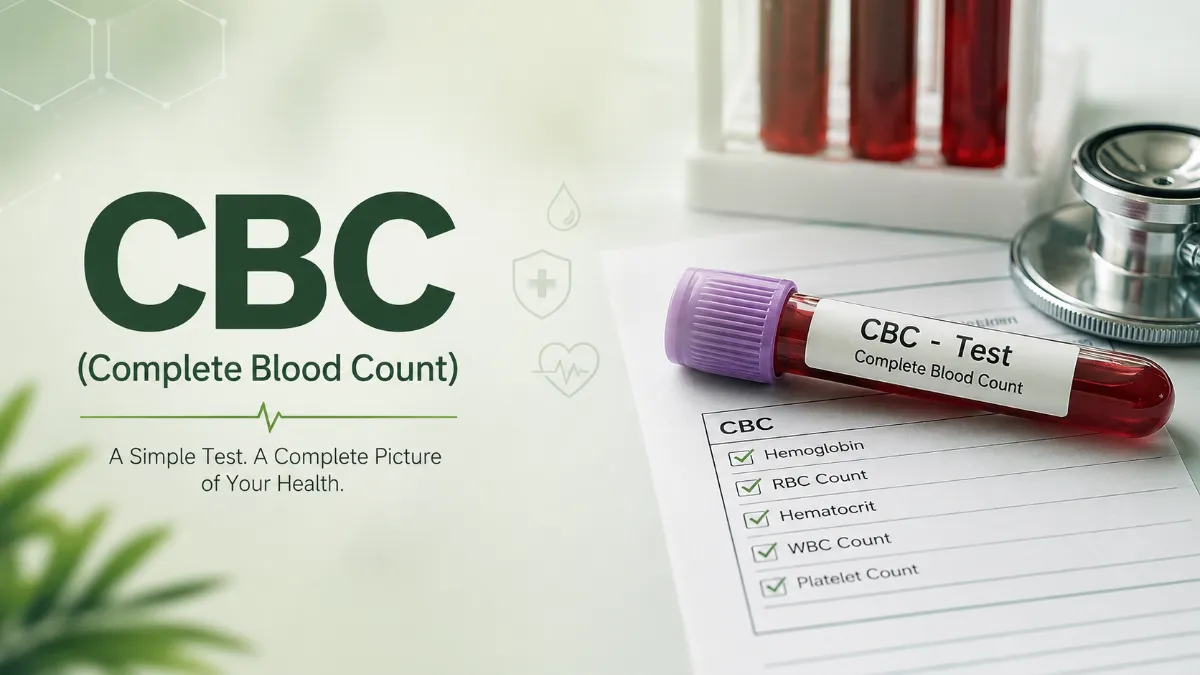
A Complete Blood Count, or CBC, is one of the most commonly ordered blood tests in India. It measures the three main types of cells in your blood: red blood cells, white blood cells, and platelets, along with related values like hemoglobin and hematocrit.
These cells carry oxygen through your body, fight infection, and help your blood clot when you're injured. Because a CBC touches all three of these functions at once, it gives your doctor a broad snapshot of your general health rather than a single narrow answer. It's often the first test ordered during a routine checkup or when investigating symptoms like tiredness or unexplained bruising.
Why is this test done?
• To get a general picture of your health during a routine checkup
• To investigate symptoms such as fatigue, weakness, fever, or unexplained bruising and bleeding
• To check for conditions such as anemia, infections, and clotting problems
• To monitor an existing condition or see how your body is responding to treatment, such as chemotherapy
Who should get this test?
Talk to your doctor about a CBC if you've been dealing with ongoing tiredness or weakness, frequent infections, unusual bruising or bleeding, unexplained weight loss, or a fever that won't settle. It's also a common part of monitoring for people managing a chronic condition or undergoing treatments that affect blood cell production.
Plenty of people also get a CBC as part of an annual health checkup without any specific symptoms at all, since it can flag changes before they become noticeable. This list is meant to help you decide whether to bring it up with your doctor, not to suggest what your results will show.
How is the test done?
A CBC uses a small blood sample drawn from a vein in your arm, and the draw itself takes just a few minutes. You generally don't need to fast for a CBC on its own, though if your doctor has ordered other tests alongside it, such as a lipid or glucose panel, those may require fasting. Results are usually available the same day or within 24 hours.
Normal Range
Parameter | Normal Range | Unit |
|---|---|---|
Hemoglobin (men) | 13 - 17 g/dL | g/dL |
Hemoglobin (women, not pregnant) | 12 - 15.5 g/dL | g/dL |
Hemoglobin (pregnant women) | Generally 11 g/dL or above (1st and 3rd trimester); 10.5 g/dL or above (2nd trimester) | g/dL |
Hematocrit (men) | 40 - 50% | % |
Hematocrit (women) | 36 - 46% | % |
Red blood cell (RBC) count (men) | 4.5 - 5.9 million cells/mcL | million cells/mcL |
Red blood cell (RBC) count (women) | 4.1 - 5.1 million cells/mcL | million cells/mcL |
White blood cell (WBC) count | 4,000 - 11,000 cells/mcL | cells/mcL |
Platelet count | 150,000 - 400,000 cells/mcL | cells/mcL |
Reference ranges can vary slightly between labs depending on their equipment and method - always check the range printed on your own report.
The World Health Organization's guideline on hemoglobin cutoffs sets normal references at roughly 13 to 18 g/dL for adult men and 12 to 16 g/dL for non-pregnant women, close to the ranges above. During pregnancy, WHO uses separate hemoglobin thresholds for each trimester, since blood volume naturally changes as pregnancy progresses.
What does a High result mean?
A high red blood cell count, hemoglobin, or hematocrit is associated with dehydration, long-term low oxygen levels (from causes such as smoking, high-altitude living, or chronic lung and heart conditions), and certain bone marrow conditions.
A high white blood cell count is often associated with infection, inflammation, physical or emotional stress on the body, or certain medications. On its own it doesn't point to anything specific; your doctor looks at the pattern of cell types alongside your symptoms.
A high platelet count can show up after an infection, with inflammation, alongside iron deficiency, or as a reactive response to another condition in the body. It's usually something your doctor monitors rather than treats directly.
What does a Low result mean?
Low hemoglobin, hematocrit, or red blood cell count is generally what's meant by anemia. It can be associated with iron, vitamin B12, or folate deficiency, chronic disease, or blood loss. Because the exact cutoff for anemia varies by age, sex, and pregnancy status, your own report's reference range matters more here than a generic number.
A low white blood cell count, known as leukopenia, can be associated with certain viral infections, autoimmune conditions, or medications that affect the bone marrow. A low platelet count, known as thrombocytopenia, is associated with viral infections, certain medications, or conditions that affect how platelets are produced or used up. None of these results confirm a diagnosis by themselves; your doctor interprets them together with your symptoms, history, and sometimes follow-up tests.
Factors that can affect results
• Dehydration or overhydration around the time of the blood draw
• Recent intense exercise
• Pregnancy, which naturally shifts several CBC values
• Living at high altitude, which tends to raise red blood cell counts
• Certain medications, including steroids and some antibiotics
• A recent infection or illness, even a mild one
• Time of day the sample is drawn
A single abnormal value on a CBC often reflects one of these everyday factors rather than a serious problem. Doctors usually look at trends over time, not just one report.
How to Keep It in the Normal Range
Staying well hydrated helps keep your blood values accurate and stable, since dehydration alone can shift several CBC readings. A balanced diet with iron-rich foods such as leafy greens, legumes, and whole grains, along with adequate protein and vitamin B12 from dairy, eggs, or fortified foods, supports healthy red blood cell production.
Regular physical activity, consistent sleep, and avoiding smoking all support healthy blood cell counts over time. Routine checkups matter too: getting a CBC periodically, even when you feel fine, helps your doctor spot gradual changes early rather than waiting for symptoms to appear. If you're considering any supplement for iron or other deficiencies, discuss the right approach with your doctor first, since your specific needs depend on your test results and health history.
Questions You May Be Wondering
What does a CBC test show?
It shows the levels of red blood cells, white blood cells, and platelets in your blood, along with related measures like hemoglobin and hematocrit. Together these give a broad picture of your general health, immune function, and clotting ability.
Do I need to fast before a CBC test?
Usually not, if the CBC is the only test being done. If it's ordered alongside tests like a lipid or glucose panel, follow whatever fasting instructions your doctor or lab gives you for those tests.
Can a CBC detect cancer?
A CBC alone doesn't diagnose cancer, but certain patterns, such as unusually high or low white blood cell counts, can prompt a doctor to investigate further with additional tests. It works as a screening clue, not a definitive answer.
How often should I get a CBC done?
This depends on your age, health history, and whether you're being monitored for a specific condition. Many people include it as part of an annual health checkup, but your doctor can advise on a schedule that fits your situation.
Why did my CBC results come back slightly different from a previous test?
Small fluctuations are common and can come from things like hydration levels, recent exercise, or even the time of day the sample was drawn. Your doctor looks at the overall trend across multiple tests rather than judging your health from small movements in a single report.

Written By
Vishal Dhenwal
BSc Medical Lab Technologist with 6+ years of clinical diagnostic experience. Founder of Sehatam, translating lab-level clinical knowledge into free wellness guidance for Indians.
Read more about the author →Medical Disclaimer
This article is for informational purposes only and is not medical advice. Test ranges can vary by lab — always interpret your results with a qualified doctor. Read our full disclaimer here.
Related Tests