.webp)
Home Remedies for Acidity and Gas Using Only Kitchen Ingredients (No Medicines)
A burning feeling behind the chest after lunch. A stomach that won't stop rumbling an hour after chai. For a huge number of Indian households, acidity and gas are not occasional visitors, they are a Tuesday. The instinct is to reach for an antacid strip, but the kitchen already holds several ingredients that have been tested in real clinical studies, alongside a few that have not, no matter how often they show up in forwarded WhatsApp messages.
This guide separates the two. It draws on peer-reviewed research, population data from Indian gastroenterology studies, and clinical trials on the specific spices already sitting in most Indian kitchens, so the remedies below can be used with an accurate sense of what they actually do.
Quick Answer
Ginger, fennel seeds, cumin water and peppermint have measurable effects on gastric motility and digestive comfort demonstrated in clinical trials, while ajwain and cinnamon remain supported mainly by tradition and animal studies rather than human research.
Baking soda works instantly as a chemical antacid, but its sodium content makes daily use a real concern, not just a footnote.
Acidity and gas that show up more than a couple of times a week deserve a doctor's evaluation rather than repeated home treatment.
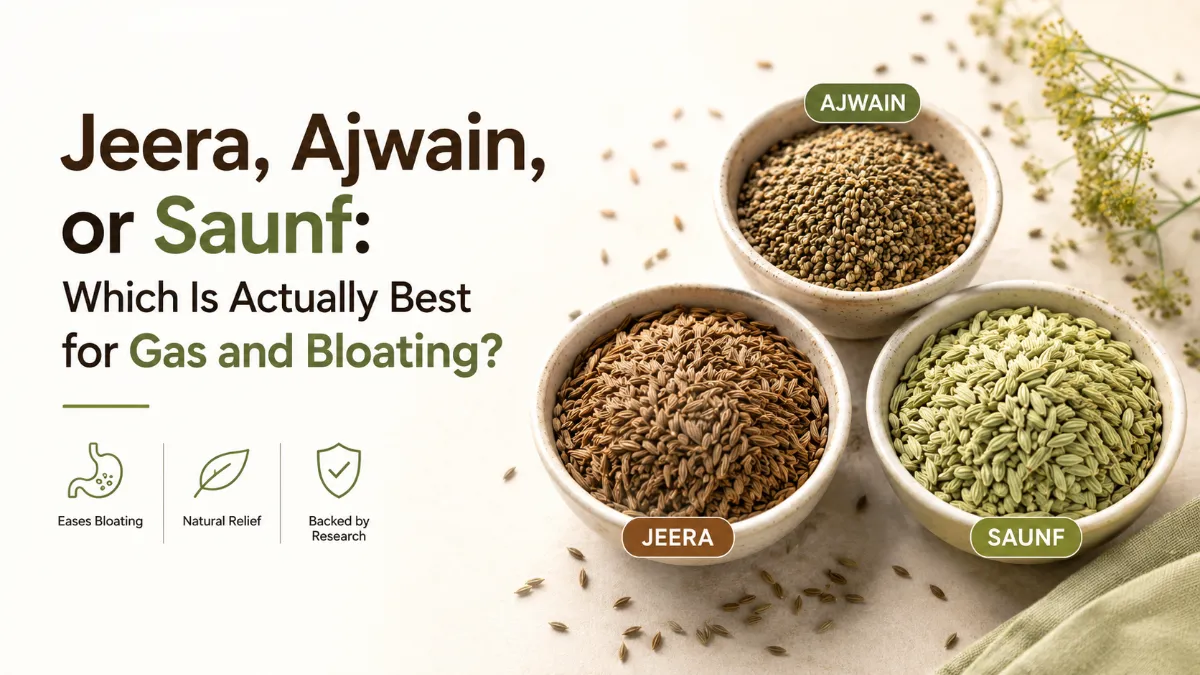
Why Acidity and Gas Trouble So Many Indian Households
This is not a small or occasional problem. A pooled analysis of Indian population studies published in the Indian Journal of Gastroenterology put the overall prevalence of gastroesophageal reflux disease (GERD) in India at around 15.6 percent, with age, body weight, non-vegetarian diet, tea and coffee intake, tobacco, and alcohol named as the main risk factors.
Individual studies land at different points depending on how strictly GERD is defined. A large task force study by the Indian Society of Gastroenterology found significant symptoms in 7.6 percent of over three thousand subjects across twelve centers, while a community-based study in southern India using a different symptom questionnaire found a prevalence of 22.2 percent, rising further among urban residents, older adults, and those with a higher body mass index. The spread between these numbers is a reminder that acidity in India is not rare. It is common enough that most families already have an informal remedy cabinet, even if it has never been tested against a placebo.
Diet plays an outsized role in that gap between studies. A cross-sectional study of Indian medical students found that frequent consumption of carbonated drinks and frequent tea or coffee intake were both independently linked to a higher chance of a GERD diagnosis, which lines up with how often those two habits appear in a typical Indian day.
What Is Actually Happening Inside the Stomach
Acidity and gas have different mechanics, even though they usually strike together. Acid reflux happens when the lower esophageal sphincter, the ring of muscle separating the stomach from the food pipe, relaxes or weakens at the wrong moment, letting acidic stomach contents move upward. Certain foods and habits, particularly fried food, excess caffeine, and carbonated drinks, are known to relax that same muscle.
Gas is a separate story. It comes from two sources: air swallowed while eating quickly or talking during meals, and gas produced when gut bacteria ferment undigested carbohydrates, particularly from legumes, onions, and some raw vegetables that are staples of Indian cooking. When digestion slows down for any reason, food sits longer, giving bacteria more time to ferment it and produce gas, while also giving acid more time to sit in the stomach and reflux upward. That overlap is why the two problems so often arrive as a pair.
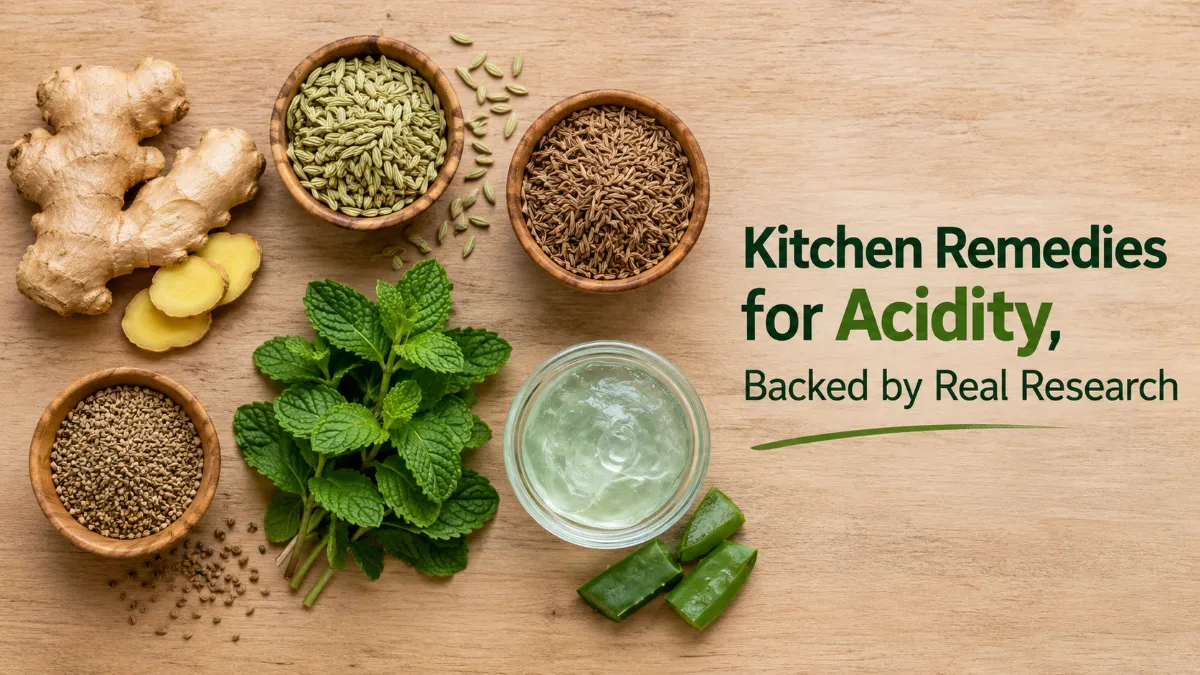
Ginger: The Most Clinically Studied Kitchen Remedy for Digestion
Ginger has more human research behind it than almost any other kitchen spice used for digestion. A systematic review of clinical trials in Food Science & Nutrition describes ginger as carminative, meaning it reduces gas, and notes that it lowers pressure on the lower esophageal sphincter while accelerating gastric emptying in both healthy volunteers and patients with functional dyspepsia.
A randomized, double-blind trial published in the World Journal of Gastroenterology measured this directly using ultrasound in eleven patients with functional dyspepsia. Stomachs emptied noticeably faster after ginger than after placebo, and there was a trend toward stronger stomach contractions, though the sample was small and the researchers found no change in the hormones that typically regulate gut motility.
What this means in practice: grating fresh ginger into tea, or chewing a small piece with a pinch of salt after a heavy meal, is grounded in a real, measured effect on digestion speed rather than folklore alone. It will not neutralize acid the way an antacid does, but slower digestion is one of the reasons acid sits around long enough to cause discomfort in the first place.
Fennel (Saunf) Seeds After Meals
The fennel seeds handed out at the end of an Indian meal are doing more than freshening breath. A 2025 study in Neurogastroenterology & Motility found that fennel tea relaxes the upper part of the stomach while promoting movement in the lower antrum, a combination that helps food move through rather than sit and ferment.
A larger randomized trial in the Journal of Gastrointestinal and Liver Diseases tested a fennel oil and curcumin combination in 121 people with irritable bowel syndrome. After thirty days, the treatment group saw roughly a 50 percent drop in symptom scores compared with baseline, nearly double the improvement in the placebo group, and about a quarter of participants became completely symptom-free.
Plain fennel seeds chewed after a meal are a milder version of what that trial tested, without the concentrated oil extract. It remains one of the few Indian table habits with a genuine mechanism behind it rather than just tradition.
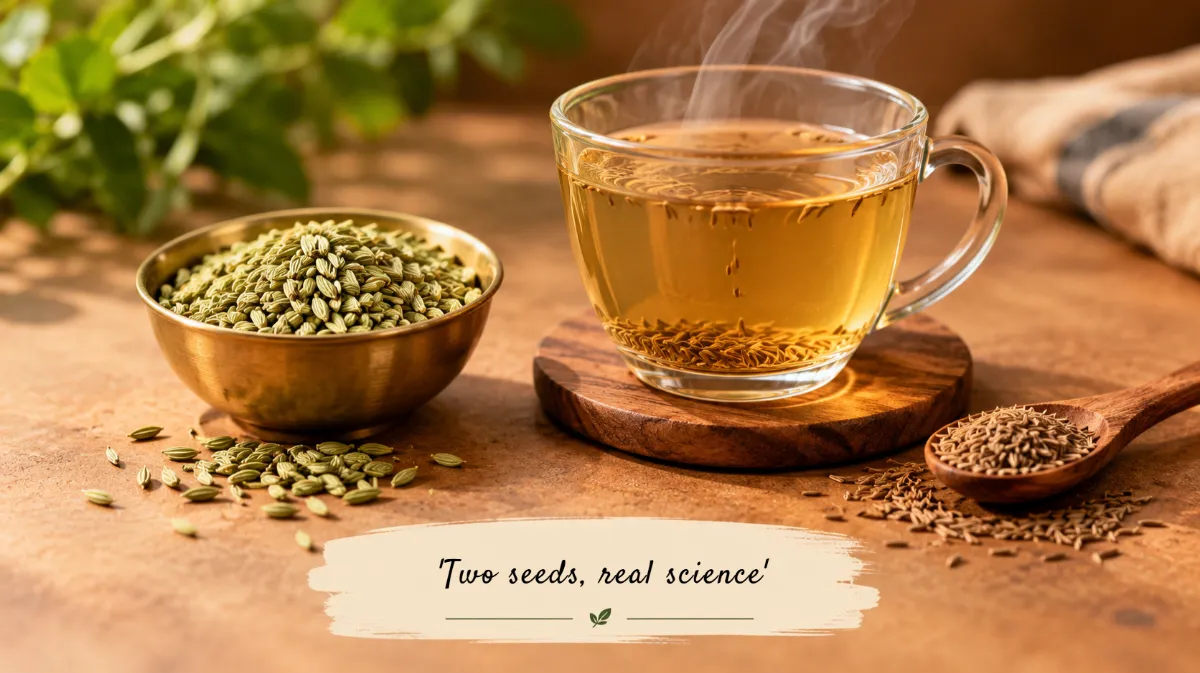
Cumin (Jeera) Water for Bloating and Gas
Cumin's reputation as a gas reliever has some backing in small trials. A case series published in the Middle East Journal of Digestive Diseases tested cumin essential oil in 57 patients with irritable bowel syndrome and reported improvement across abdominal pain, bloating, and irregular bowel habits over four weeks.
Separately, a triple-blind randomized trial published in a PubMed Central study tested cumin capsules in 74 patients recovering from abdominal surgery and found it sped up the return of normal bowel motility compared with placebo, consistent with cumin's known antispasmodic action on gut smooth muscle.
Both studies are small by clinical standards, and neither was conducted in a general population with everyday acidity rather than a diagnosed condition. Still, the mechanism, relaxing intestinal muscle spasm through action on cholinergic receptors, is well described, and warm jeera water after a heavy meal is one of the gentler options on this list.
Peppermint and Mint (Pudina): An Indian Trial in the Mix
One of the earliest human studies on peppermint and digestion was actually conducted in India. A trial described in a review published by the Journal of the Scientific Medical Center reported that peppermint oil accelerated gastric emptying in a radiolabelled test-meal study conducted at an Indian physiology department in 1991.
More recent evidence comes from a systematic review and meta-analysis in Digestive Diseases covering five randomized trials and 580 patients, which found that a peppermint-and-caraway-oil combination significantly reduced epigastric pain and improved overall symptoms in functional dyspepsia compared with placebo.
There is an important caveat competitors rarely mention. Peppermint relaxes smooth muscle throughout the digestive tract, including the lower esophageal sphincter. That is exactly why it helps cramping and gas, and exactly why it can make heartburn worse in someone whose reflux is caused by a loose sphincter rather than slow digestion. Anyone with frequent heartburn specifically, as opposed to bloating or cramping, may want to notice how their body responds before making mint tea a daily habit.
Ajwain (Carom Seeds): Traditional Use Ahead of the Evidence
Ajwain is treated as a near-instant fix for gas in most Indian households, and its thymol content does have documented gastroprotective and antiulcer activity, but that evidence comes from animal and laboratory studies. A review in Food Safety and Health describes ajwain's ethanolic extract reducing ulcer damage in rodent models and shortening food transit time in animal digestive tracts, but no controlled human trial testing ajwain specifically for acidity or gas turned up in this research.
This is worth stating plainly rather than smoothing over: ajwain's centuries of traditional use in Ayurveda are real, but the leap from an animal ulcer model to a confident claim about human acidity relief has not been made yet in the published research. Some laboratory work has also found that ajwain preparations can increase gastric acid secretion rather than reduce it, which is a reason to use it cautiously rather than reflexively during an active acid flare, and to be more careful with it if gastritis or ulcers have already been diagnosed.
Aloe Vera Juice for Heartburn
Aloe vera has a place in acid reflux specifically, rather than gas. A pilot randomized trial summarized by the Natural Medicine Journal gave 79 participants either aloe vera syrup, omeprazole, or ranitidine for four weeks and found that the aloe vera group saw a reduced frequency of all eight measured GERD symptoms compared with their own baseline, though it did not outperform the two standard medications.
This was a small, single trial, and it compared aloe vera against actual prescription drugs rather than against a placebo, which makes the result encouraging but not definitive. In practice, this means using the clear inner gel of the aloe leaf, never the yellow-green latex layer just under the skin, which acts as a strong laxative and is unrelated to any digestive benefit.
The Baking Soda Method: What It Actually Does, and the Real Risk
Sodium bicarbonate, plain baking soda, is chemistry rather than folk medicine. Mixed with water and swallowed, it reacts directly with hydrochloric acid in the stomach, producing salt, water, and carbon dioxide, which is exactly why it appears as the active ingredient in several over-the-counter antacid tablets.
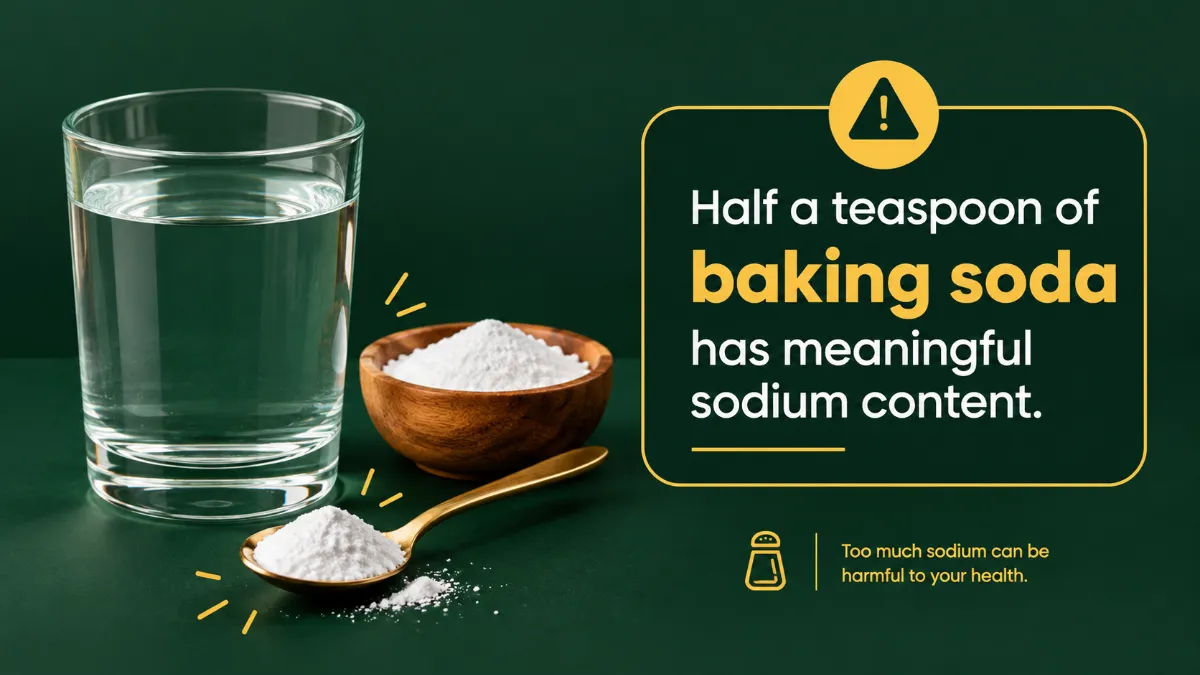
The catch is dosage frequency, not the chemistry itself. Mayo Clinic's patient guidance on sodium bicarbonate warns against long-term antacid use because of the risk of systemic alkalosis, and each half-teaspoon dose carries a meaningful sodium load, a real concern for anyone managing blood pressure, kidney disease, or heart failure. If baking soda for acidity becomes a daily habit rather than an occasional one, that is worth raising with a doctor rather than continuing on its own.
No competitor writing about this remedy tends to mention the sodium math, which is precisely the kind of gap this article is meant to close. A quick fix that works through direct chemistry is not automatically a safe daily habit, and the two facts need to sit side by side.
Kitchen Remedies With Popular Claims But Little Direct Evidence
Several ingredients show up on nearly every Indian home remedy list without a single controlled human study behind them for acidity specifically. Being upfront about this is part of doing right by the reader, even when it means saying less than competitors do.
Coconut water
Coconut water is frequently called naturally alkaline and marketed as a way to balance stomach acid. Its actual pH sits between roughly 4.5 and 5.5, which is mildly acidic, not alkaline, and no clinical trial testing it directly against acidity or reflux turned up in this research. It remains a reasonable, low-sugar hydrating drink, just not one with demonstrated acid-neutralizing science behind it.
Jaggery
Jaggery is often described as alkaline-forming and digestion-boosting. No controlled human study testing jaggery specifically for acidity relief was found here. It is largely concentrated sugarcane sucrose with trace minerals, and any digestive comfort some people report after a small piece is more likely about habit and satiety than a proven chemical effect on stomach acid.
Banana and cinnamon
Both appear constantly in Indian remedy lists. Bananas may sit comfortably for some people during acidity, but tolerance varies widely from person to person, and no trial was found isolating banana as an acidity treatment. Cinnamon is a genuinely useful digestive spice in cooking, but the specific claim that it acts as a natural antacid for acidity has not been tested in the human studies reviewed for this article.
Evidence at a Glance
Remedy | What the Research Shows | Evidence Strength | Good to Know |
|---|---|---|---|
Ginger | Speeds up stomach emptying and eases functional dyspepsia symptoms across several small clinical trials. | Moderate (multiple small human trials) | Best for slow-digestion type bloating. Check with a doctor if you take blood thinners. |
Fennel (saunf) seeds | Relaxes the upper stomach and stimulates motility in the lower stomach; a fennel-oil blend cut IBS symptoms nearly in half in a 121-patient trial. | Moderate | Chewing a small amount after meals is the lowest-risk traditional use. |
Cumin (jeera) water | Improved bloating and pain in small IBS trials and shortened bowel recovery time after surgery in one randomized trial. | Limited to moderate | Generally well tolerated as a warm infusion. |
Peppermint / mint (pudina) | An Indian trial and several international trials show faster gastric emptying and less dyspepsia discomfort. | Moderate to strong for dyspepsia; weak for reflux | Can worsen heartburn in some people because it relaxes the valve between the stomach and food pipe. |
Ajwain (carom seeds) | Shows anti-ulcer and gastroprotective activity, but only in animal and lab studies. No human trial on acidity was found. | Weak (animal and lab data only) | Centuries of traditional use, but human evidence is currently missing. |
Aloe vera juice | A small pilot trial found reduced frequency of reflux symptoms compared with baseline over four weeks. | Limited (one small pilot trial) | Use only the clear inner gel, never the outer leaf latex. |
Baking soda (sodium bicarbonate) | Neutralizes stomach acid instantly through basic chemistry; this is why it is an ingredient in some antacid tablets. | Strong for the immediate mechanism; weak for safety of frequent use | High in sodium. Avoid regular use with high blood pressure, kidney or heart disease, or during pregnancy. |
Coconut water, jaggery, banana, cinnamon | Popular across Indian home remedy sources, but no controlled human trial testing these specifically for acidity turned up in this review. | Anecdotal only | May still help some people feel more comfortable after meals, without a proven acid-reducing mechanism. |

Eating and Lifestyle Patterns That Reduce Acidity and Gas
Kitchen remedies work best alongside a few habit changes that reduce how often acidity and gas show up in the first place. None of these require counting calories or following a rigid protocol, they are patterns rather than rules.
● Eat slower and with fewer distractions. Talking or scrolling while eating increases swallowed air, one of the two direct causes of gas.
● Leave a gap before lying down. Reflux is largely a matter of gravity and sphincter pressure, so reclining soon after a meal gives acid an easier path upward.
● Notice patterns with fried food, excess caffeine, and carbonated drinks specifically, since all three are documented to relax the lower esophageal sphincter.
● Favor smaller, more frequent meals over one very large meal, which reduces how long food and acid sit together in an overfilled stomach.
● A short, gentle walk after a heavy meal supports gastric emptying more than sitting or lying down immediately afterward.
None of this is about restriction. It is about timing and attention, the same variables the clinical research above keeps pointing back to.
When Home Remedies Aren't Enough: Signs to See a Doctor
Occasional acidity after a heavy, spicy, or late meal is common and usually settles with the measures above. Some patterns deserve a doctor's attention instead of another round of home treatment.
● Symptoms recurring more than twice a week over several weeks
● Acidity that wakes a person up at night on a regular basis
● Unintended weight loss alongside digestive symptoms
● Difficulty or pain when swallowing food
● Vomiting, especially if it looks like coffee grounds or contains blood
● Black or tarry stools
These are signs that something more specific than everyday acidity may be going on, and a doctor has tools, such as endoscopy, to look directly at the stomach lining and food pipe rather than guess from symptoms alone. Conditions like gastritis, peptic ulcers, and GERD can feel almost identical from the inside but need different management, which is exactly why persistent symptoms are worth a proper look rather than a longer list of home remedies.
Questions You May Have
Do home remedies for acidity and gas actually work, or do they just mask symptoms?
Several of them have a documented physiological effect rather than simply covering up discomfort. Ginger and fennel measurably speed up stomach emptying in clinical trials, and peppermint has shown a similar effect for functional dyspepsia specifically. That said, none of these replicate what a prescription antacid or acid-suppressing medication does for someone with a diagnosed reflux condition, and they work better for occasional discomfort than as a substitute for medical treatment of a chronic condition.
Which kitchen remedy works fastest for sudden acidity?
Baking soda dissolved in water acts within minutes, since it neutralizes stomach acid through a direct chemical reaction rather than by changing digestion speed. Ginger and mint tend to take closer to thirty to ninety minutes, since their effect works by speeding up how quickly the stomach empties. The trade-off is that baking soda's speed comes with a sodium cost that mint and ginger do not carry.
Is it safe to use baking soda for acidity every single day?
Occasional use for a sudden flare is generally fine for a healthy adult, but daily use is a different question. Guidance on sodium bicarbonate cautions against long-term antacid use because of the risk of alkalosis, and the sodium in each dose adds up for anyone watching blood pressure or kidney function. Reaching for it several times a week is a signal to ask a doctor what is actually driving the recurring acidity, rather than a habit to continue unmonitored.
Why does gas often show up together with acidity after Indian meals specifically?
A typical Indian meal often combines fried elements, legumes, and refined carbohydrates on one plate, and all three slow stomach emptying while giving gut bacteria more fermentable material to work with. Slower digestion gives acid more time to sit and reflux upward, while fermentation of the undigested portion produces the gas behind the bloating. Eating quickly or talking through a meal adds swallowed air on top of that, a separate cause that often overlaps with the first.
When should acidity and gas be checked by a doctor rather than treated at home?
Symptoms that recur more than a couple of times a week, disturb sleep, or come with weight loss, trouble swallowing, or any sign of blood need medical evaluation instead of another home remedy. Several conditions can produce symptoms that feel identical to everyday acidity from the inside, and a proper exam is the only reliable way to tell them apart. Treating persistent symptoms at home indefinitely risks delaying a diagnosis that a short visit to a doctor could settle.

Written By
Vishal Dhenwal
BSc Medical Lab Technologist with 6+ years of clinical diagnostic experience. Founder of Sehatam, translating lab-level clinical knowledge into free wellness guidance for Indians.
Read more about the author →Medical Disclaimer
This article is for informational purposes only and is not medical advice. Nothing here should be used to start, stop, or change any medication or treatment — always consult a qualified doctor first. Read our full disclaimer here.
Related Articles