What is Fasting Blood Sugar (FBS)?
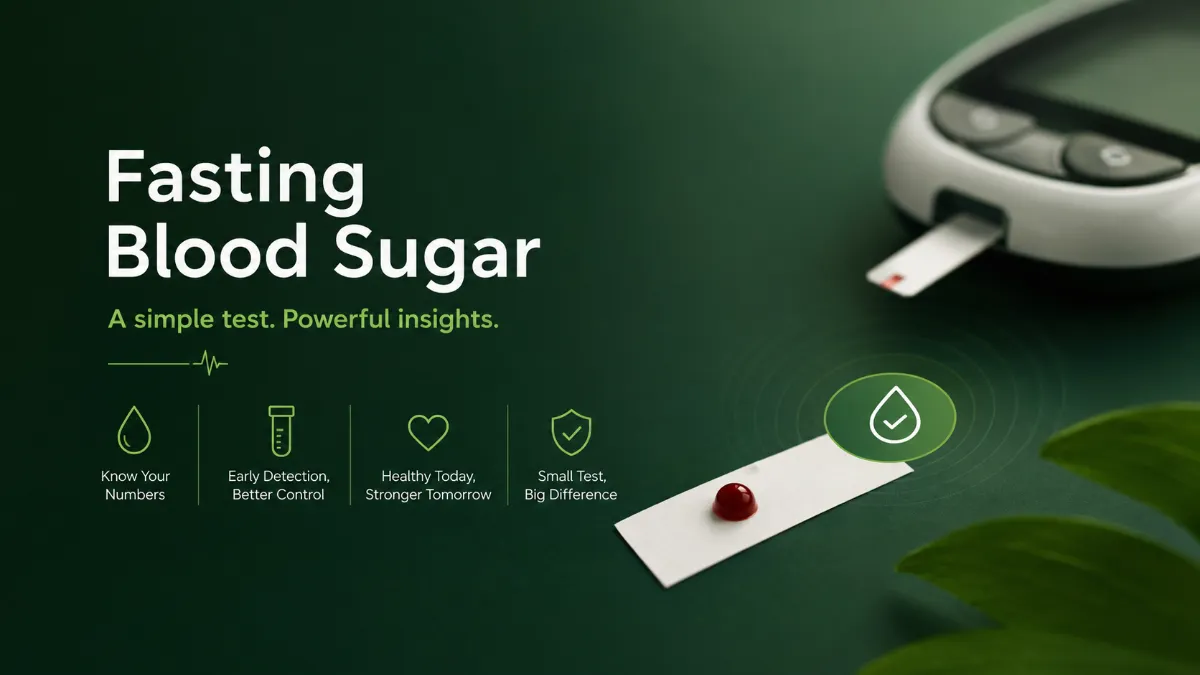
Fasting blood sugar (FBS) is a blood glucose test done after you've had nothing but water for at least 8 hours, usually overnight. It measures how much glucose is circulating in your blood without a recent meal pushing the number up. A fasting glucose below 100 mg/dL is generally used as the cutoff for a normal screening result, though your own lab report may print a narrower reference interval such as 70-99 mg/dL. A result between 100 and 125 mg/dL falls in the prediabetes range, and 126 mg/dL or higher is the diabetes diagnostic threshold, usually confirmed with a repeat test rather than acted on immediately. This page covers what each range means, how many hours you actually need to fast, what can throw off a result, and how FBS compares with tests like HbA1c.
FBS is one of the most commonly ordered blood tests in India, used both as a routine health check and as a first step in screening for diabetes.
FBS Test at a Glance
Information | Details |
|---|---|
Also called | Fasting Blood Sugar, Fasting Blood Glucose, Fasting Plasma Glucose (FPG) |
Measures | Blood glucose after fasting |
Fasting required | At least 8 hours, no caloric intake |
Normal fasting glucose | Below 100 mg/dL |
Prediabetes range | 100-125 mg/dL |
Diabetes diagnostic threshold | 126 mg/dL or higher, usually confirmed on a repeat test |
Common reporting unit | mg/dL |
Why Is a Fasting Blood Sugar Test Done?
To screen for diabetes and prediabetes, including in people with no symptoms
To monitor blood sugar control in someone already diagnosed with diabetes
As part of a routine annual health checkup or pre-employment screening, usually alongside other baseline tests such as a Complete Blood Count (CBC)
To check for gestational diabetes during pregnancy
To follow up on a previous blood sugar reading that was higher than expected
To evaluate symptoms or risk factors your doctor wants to rule out
As part of a broader clinical evaluation of glucose control alongside other tests
Who should get this test?
Talk to your doctor about this test if you notice symptoms such as unusual thirst, urinating more often than normal, unexplained fatigue, or blurred vision. These can be associated with high blood sugar, though they also overlap with several other conditions, so a test is the only way to know what's actually happening.
It is also worth discussing this test with your doctor if any of the following apply to you:
● A parent or sibling with diabetes
● Being overweight, especially with a sedentary routine
● A personal history of gestational diabetes or polycystic ovary syndrome (PCOS)
● High blood pressure or high cholesterol
● Age over 35, particularly alongside any of the factors above
How Is the FBS Test Done?
A blood sample is collected from a vein in your arm, which takes only a few minutes. Most people schedule this first thing in the morning after an overnight fast. Routine medications can usually be taken as prescribed unless your doctor tells you otherwise, and results are typically available the same day.
Which Sample Is Used for an FBS Test?
The sample is a blood draw from a vein, sent to the laboratory to measure glucose directly. The exact collection method can vary slightly between labs.
Fasting Blood Sugar Normal Range
Fasting blood sugar level | General interpretation |
|---|---|
Below 100 mg/dL | Normal |
100-125 mg/dL | Prediabetes / impaired fasting glucose range |
126 mg/dL or higher | Diabetes diagnostic range, usually confirmed on a repeat test |
Reference ranges can vary slightly between labs depending on their equipment and method. Always check the range printed on your own report.
Sources vary somewhat on the exact cutoff for a normal fasting reading in non-pregnant adults, with some citing below 100 mg/dL and others citing 70 to 99 mg/dL as the normal band. The 126 mg/dL diabetes threshold, however, is consistent and is the cutoff endorsed by the World Health Organization. For pregnant women, the World Health Organization's diagnostic threshold for gestational diabetes is a fasting level of 92 mg/dL or above, which is lower than the general adult cutoff because pregnancy changes how the body handles glucose.
Fasting Blood Sugar Levels: What Do They Mean?
Below 100 mg/dL - Normal
A fasting reading under 100 mg/dL means your body is clearing glucose from your bloodstream the way it's expected to overnight. A single normal reading is reassuring, but it doesn't rule out risk factors that build up over years, which is why doctors still look at your overall history, not just one number.
100-125 mg/dL - Prediabetes Range
This range points to impaired fasting glucose, meaning your body is processing sugar less efficiently than it should while fasting. It's a reason to talk to a doctor and possibly repeat the test or add an HbA1c, not a diagnosis in itself.
126 mg/dL or Higher - Diabetes Diagnostic Range
A single reading in this range doesn't automatically mean you have diabetes. Confirmation on a separate day is generally required unless there's unmistakable hyperglycemia alongside classic symptoms. Your doctor decides what "confirmation" looks like in your specific case.
What Does Your Fasting Blood Sugar Result Mean?
Here's roughly where a few commonly searched numbers land, using the categories above.
Fasting blood sugar | General interpretation |
|---|---|
70 mg/dL | Within the normal range |
90 mg/dL | Normal |
100 mg/dL | At the threshold of the prediabetes range |
110 mg/dL | Prediabetes range |
120 mg/dL | Prediabetes range |
125 mg/dL | Upper end of the prediabetes range |
126 mg/dL or higher | Diabetes diagnostic threshold, pending clinical confirmation |
This is a general guide, not a personal reading of your own report. A single number next to a range doesn't capture your symptoms, medication, or repeat results, all of which your doctor factors in.
Fasting Blood Sugar Normal Range by Age
For non-pregnant adults, the standard categories above (below 100, 100-125, 126 and above) don't change just because someone is 30 versus 60. Age can affect how a doctor weighs a borderline result alongside other health factors, but it doesn't create a separate set of "normal" numbers.
Group | General interpretation |
|---|---|
Non-pregnant adults | Below 100 mg/dL is generally considered normal |
Older adults | Same categories apply; interpretation also considers overall health and other conditions |
Children and teens | Diagnostic criteria can differ from adult thresholds and depend on clinical context |
How Many Hours Do You Need to Fast Before an FBS Test?
Fasting means no food or drink other than plain water for at least 8 hours. Most labs recommend an overnight fast, which naturally lands most people in the 8 to 12 hour window without much planning.
Can You Drink Water Before an FBS Test?
Yes. Plain water is allowed, and staying hydrated actually helps, since dehydration can push your reading up.
Can You Drink Tea or Coffee Before an FBS Test?
Tea and coffee, along with sugar or milk added to them, can affect your fasting glucose and are best avoided during the fasting window unless your lab or doctor says otherwise.
What does a High result mean?
A fasting blood sugar above the normal range is associated with prediabetes or diabetes, depending on how high the number is and whether it's confirmed on a repeat test. A single high reading is not enough on its own to diagnose diabetes; doctors typically want to see the pattern confirmed, sometimes alongside an HbA1c or oral glucose tolerance test.
High readings aren't always about diabetes. They can also be associated with insulin resistance, acute illness or infection, ongoing stress, poor sleep, dehydration, hormonal conditions such as thyroid disorders or Cushing's syndrome, and certain medications, including corticosteroids. Some people also see a natural rise in early morning glucose known as the dawn phenomenon. A high result on its own doesn't identify which of these is the cause. If you're taking any medication and notice a high reading, discuss it with your doctor rather than adjusting the dose yourself.
What does a Low result mean?
A fasting blood sugar below the normal range is called hypoglycemia. In people with diabetes, this is often linked to insulin or certain oral diabetes medications, particularly if a dose was taken without enough food afterward. Always consult your doctor before changing the timing or dose of any diabetes medication.
In people without diabetes, low readings can be associated with prolonged fasting, skipped meals, heavy alcohol intake, some liver conditions, or hormonal issues involving the adrenal or pituitary glands. Symptoms like shakiness, sweating, or lightheadedness alongside a low reading are worth mentioning to your doctor. Confusion, fainting, or severe weakness need prompt medical attention rather than waiting for a scheduled appointment.
What Can Affect a Fasting Blood Sugar Result?
● Not fasting for the full 8 to 12 hours, or forgetting and having a snack
● Acute stress, illness, or infection at the time of the test
● Certain medications, including steroids and some diuretics
● Dehydration
● Intense exercise shortly before the blood draw
● Poor sleep the night before the test
How to Keep It in the Normal Range
Blood sugar control is shaped by everyday patterns more than any single food or habit. A few general principles that support a healthy fasting glucose level:
● Eat balanced meals built around whole grains, vegetables, and protein rather than heavily processed or sugary foods
● Stay physically active with regular movement through the week
● Drink enough water through the day
● Aim for consistent, adequate sleep
● Keep up with routine health checkups so trends over time are visible, not just one number
FBS vs HbA1c vs PPBS vs Random Blood Sugar
Test | What it measures |
|---|---|
FBS | Blood glucose after fasting |
HbA1c | Average blood glucose over roughly the past 2-3 months |
PPBS | Blood glucose after a meal |
RBS | Blood glucose measured without requiring fasting |
FBS and HbA1c are often ordered together, since one shows a single point in time and the other shows a longer trend. PPBS is sometimes added when a doctor wants to see how your body handles glucose after eating. RBS is mainly used when fasting isn't practical, such as in an emergency setting. For more on how the average-glucose test works, see Sehatam's HbA1c guide.
FBS vs FPG: Are They the Same?
FBS and fasting plasma glucose (FPG) refer to the same test. FBS is the term most commonly used in everyday conversation and on Indian lab reports, while clinical guidelines and research more often use FPG. If you see either term on a prescription or report, it's the same fasting glucose reading.
Fasting Blood Sugar During Pregnancy
Pregnancy is assessed differently from the standard adult categories above. Gestational diabetes is typically diagnosed using a 75g oral glucose tolerance test done between 24 and 28 weeks, not a standalone fasting sample. A fasting result of 92 mg/dL or higher during that test is the threshold recommended by the World Health Organization. This number applies specifically to that testing protocol during pregnancy, not as a general "below 92 is normal" rule outside it.
FBS Test Price in India
FBS test pricing varies by city, by laboratory, and by whether you choose home collection, a standalone test, or a bundled health package. Check current pricing directly with your chosen lab before booking.
When Should You Talk to a Doctor About Your FBS Result?
It's worth getting professional input when your fasting glucose is repeatedly elevated, when a result falls in the diabetes diagnostic range, when you have symptoms like unusual thirst or frequent urination, when a reading comes back unusually low, if you're pregnant, or if you're on diabetes medication and your readings look off. A doctor can put your result in context alongside your history and any repeat testing, which a single number on its own can't do.
Questions You May Be Wondering
Is a fasting blood sugar of 100 mg/dL bad?
A reading of 100 mg/dL falls at the start of the range some sources classify as prediabetes. It isn't a diagnosis on its own, and many people with a single borderline reading go on to have normal follow-up tests. Your doctor is best placed to interpret it alongside your history and any repeat testing.
Can stress affect fasting blood sugar?
Yes. Stress hormones like cortisol can raise blood sugar temporarily, even in people without diabetes. This is one reason doctors often ask for a repeat test before drawing conclusions from a single high result.
Do I really need to fast before this test?
Yes, for an accurate fasting reading. Eating or drinking anything other than water within the fasting window can raise your glucose level and make the result unreliable.
What is the difference between FBS and HbA1c?
FBS shows your blood sugar at a single point in time. HbA1c reflects your average blood sugar over roughly the past two to three months. Doctors often use the two together for a fuller picture.
Is 100 mg/dL fasting blood sugar normal?
It sits right at the edge of the prediabetes range rather than clearly inside the normal range. One borderline reading isn't a diagnosis; your doctor will usually want a repeat test before drawing conclusions.
Is 110 mg/dL fasting blood sugar high?
It falls within the 100-125 mg/dL prediabetes range. It's not the same as a diabetes diagnosis, but it's a reasonable prompt to check in with a doctor.
Is 120 mg/dL fasting blood sugar normal?
No, 120 mg/dL is in the prediabetes range, not the normal range. As with any single reading, it's best interpreted alongside your history and, often, a repeat test.
Is 126 mg/dL fasting blood sugar diabetes?
It meets the diagnostic threshold for diabetes, but a single reading isn't usually enough on its own. Confirmation on a separate day is generally required unless there's unmistakable hyperglycemia with classic symptoms.

Written By
Vishal Dhenwal
BSc Medical Lab Technologist with 6+ years of clinical diagnostic experience. Founder of Sehatam, translating lab-level clinical knowledge into free wellness guidance for Indians.
Read more about the author →Medical Disclaimer
This article is for informational purposes only and is not medical advice. Test ranges can vary by lab — always interpret your results with a qualified doctor. Read our full disclaimer here.